From Community to Measurable Demand: Bike People [Pt. 1]
TL;DR
Bike People already had the hard part figured out: trust, community, and a loyal local following. What they didn’t have was a measurable marketing system. Instead of rushing into ads, we focused on building the right foundation first—clean tracking, clear conversion actions, and a strategy designed to stretch a limited budget. This case study covers the setup phase of how Bike People and 6studios prepared to turn community demand into something measurable, scalable, and sustainable.
The Client
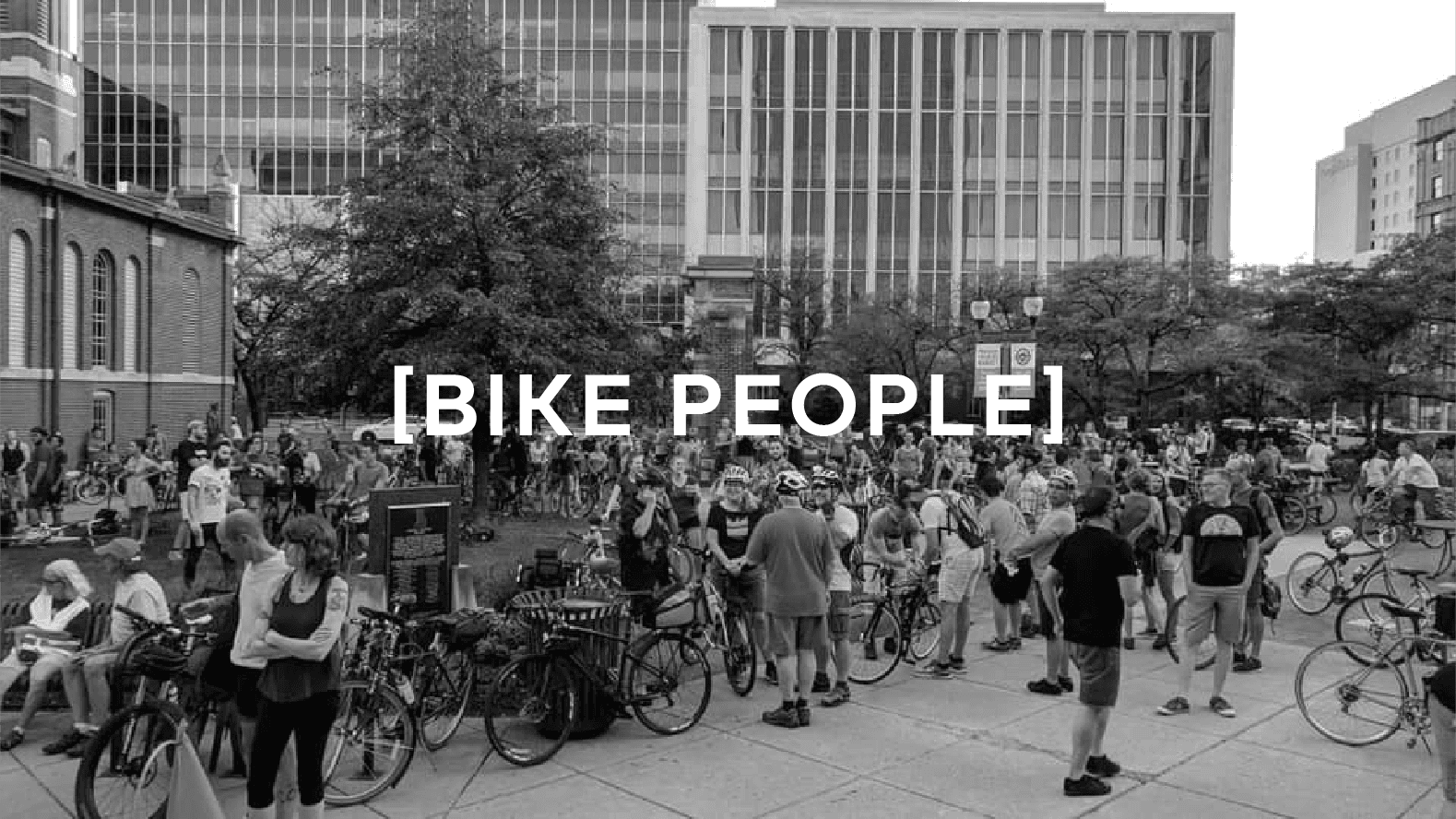
Bike People is a community-driven bike shop in Indianapolis that quickly became a hub for the local cycling scene. In its first year, the shop surpassed every established bike shop in the city in social following — a reflection of trust, culture, and strong word-of-mouth, not paid promotion.
Year two marked a shift: moving from organic momentum to intentional growth without sacrificing authenticity or overspending.
The Goals
After reviewing the website and diving into the why behind Bike People during a discovery session, we aligned on a clear set of marketing and business goals for year two.
Marketing Goals
Understand how people are engaging with the website
Define and measure high-intent customer actions
Create new demand through increased visibility via smart paid search
Do so without wasting marketing spend
Business Goals
Increase service repair revenue
Hire a first employee to help manage repairs
Introduce high-end eBikes and triathlon bikes for sale
The Challenges
While Bike People already had strong branding and positioning (thanks to local designer Parker McCullough), marketing efforts were starting from square one:
No paid marketing initiatives
No tracking foundation
Few meaningful website actions that could be reliably tracked
Compounding this was a very limited monthly marketing budget and limited available hours. The biggest challenge wasn’t ambition, it was making every dollar and every hour count.
The Approach
With goals and constraints clearly defined—and a spring demand spike approaching—we built a focused action plan designed to establish a durable marketing foundation.
Phase 1: Tracking Foundation
We started at ground zero by establishing a Google Tag Manager (GTM) container and a Google Analytics (GA4) instance. From there, we focused on actions visitors could already take on the existing website, avoiding the need to build new assets or pages initially.
This included converting listed email addresses and phone numbers into direct mailto: and tel: links. Not only did this make it easier for visitors to contact Bike People about service repairs (appointment scheduling had not yet been implemented), but it also allowed these actions to be tracked via GTM and GA4, giving us our first real signals of service intent.
Phase 2: Build Meaningful Conversion Actions
With a tracking foundation in place, the next step was to introduce higher-value conversion actions—actions that indicate stronger purchase intent—and bring them fully under Bike People’s domain so they could be measured accurately.
We focused on two primary improvements:
Moving Bike People’s monthly and yearly paid memberships (which include a yearly service package, members-only Substack access, and tier-based benefits) from Substack into Squarespace for full trackability
Making bike service packages and à la carte menu items clickable, directing visitors to forms where they could express interest in a specific service or repair
This shift is critical. It not only gives customers a clearer, easier way to express intent, but it also allows us to track real purchases and high-intent actions on-site—data that future Google Ads campaigns will use to find more people likely to convert.
Phase 3: implement future state integrations
Phase 3 focuses on enabling the highest-intent actions possible through deeper integrations.
For Bike People, this means implementing appointment scheduling software—such as Acuity Scheduling—so visitors can book service appointments directly online rather than submitting a form. This represents the strongest signal of purchase intent for Bike People’s highest-margin service.
Why this is important
Google is only as powerful as the data you provide it. If Google doesn’t understand who your ideal customer is—or what meaningful action looks like—it can’t prioritize the right people. Yes, many users may search the same keywords, but only a subset are truly likely to convert.
This three-phase structure is designed to:
Bring Bike People’s most important conversion actions—starting with memberships—fully under their own domain
Enable bookable service appointments, the highest-intent action a visitor can take
All of this data will feed future Google Ads campaigns, ensuring marketing dollars are spent showing ads to the right people, not everyone.
The Results
Stay tuned!